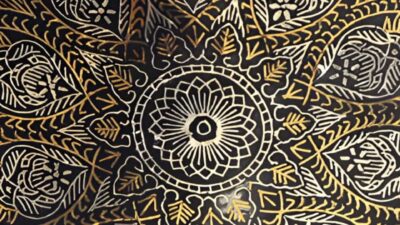
Imagine holding an object shaped by elemental forces—earth, wax, fire, and metal—its surface textured with the quiet labor of hands that have inherited their craft through generations. In a world defined by speed and repetition, such work feels deeply grounding, reminding us of the value of patience and material intimacy. Today, Dhokra art remains a testament to sustainable creativity and cultural heritage, reflecting a growing appreciation for handmade, nature-based traditions. Its presence in contemporary homes and studios invites reflection on how we connect with objects that carry long memories.
When you bring an artifact into your home, are you decorating a space—or carrying forward a civilization’s story?
Dhokra Art: Key Takeaways
- Four-thousand-year metalcraft forged from earth, wax, and flame.
- Hand-modeled wax designs ensure every piece is singular.
- Figures drawn from folklore, ritual scenes, and daily rhythms.
- Each artifact emerges uniquely from a broken mold.
- Industrial replicas and costly metals threaten continuity.
Cultural Roots: Origins & Symbolism
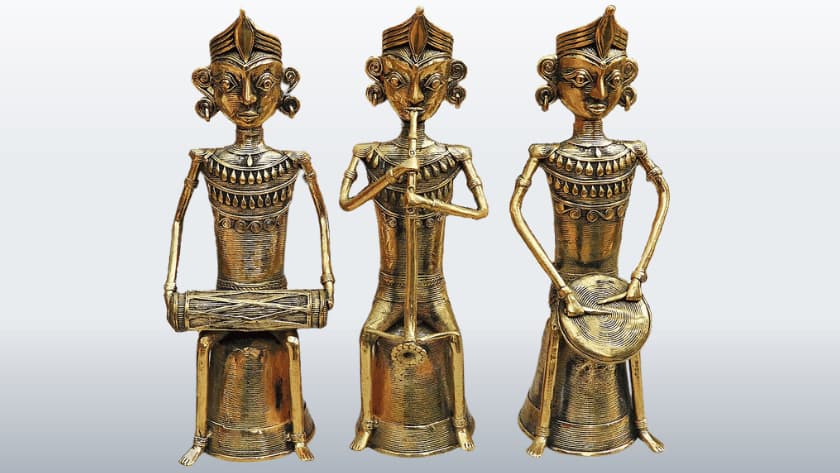
The origins of Dhokra art can be traced to the Indus Valley Civilization, where artisans used the lost-wax casting method to create both ornamental and utilitarian metal objects. The earliest examples demonstrate a sophisticated understanding of form and metallurgy, laying the groundwork for a tradition that would persist across vast stretches of time and geography. Early artisans in metal shaped decorative pieces, spiritual artifacts, containers, and implements whose strength and symbolic significance enriched their worth in the fabric of community life.
As centuries passed, nomadic metalworking groups such as the Damar of Bengal and the Ghadwa of Chhattisgarh carried the technique across central and eastern India. Its portability—relying on clay, beeswax, and recycled metal—made the craft adaptable to new regions. By the medieval period, the practice had developed distinct local identities while retaining its core casting method.
In early tribal contexts, metal figurines served as protective talismans, fertility symbols, or offerings to village deities. Ritual lamps illuminated ceremonies, while depictions of hunters, musicians, and women at work reflected the rhythms of daily existence. Oral traditions also reference small metal charms buried near thresholds to invite prosperity and safeguard the home.
Craftsmanship: Tools & Techniques
Dhokra Shilp Making Process of Bastar by D’source licensed under CC BY-NC-SA 4.0
Dhokra craftsmanship begins with natural, tactile materials. The riverbed clay serves as the base material, bolstered by husk, hay, or cow dung to enhance its strength and stability. Beeswax mixed with resin creates a flexible modeling medium, while recycled brass or bronze makes the casting metal. These materials facilitate a complete handmade process from start to finish.
The defining feature of this craft is the lost-wax casting method. In solid casting, used in some southern regions, the entire form is sculpted in wax and then enclosed in layers of clay. In hollow casting, commonly practiced in central and eastern India, artisans first create a clay core, apply wax to shape the details, and then cover it with an outer layer of clay. When the artisans heat the mold, the wax melts, creating a cavity for pouring molten metal. After cooling, the artisans must break each mold to reveal the craft, making each piece unique just for you.
Regional variations deepen the technical vocabulary: Odisha artisans may use small clay crucibles for pouring, while Bastar artisans employ bamboo channels to guide molten metal. Surface finishes often arise naturally from firing conditions, contributing to subtle tonal variations across regions.
Living Tradition: People & Expression
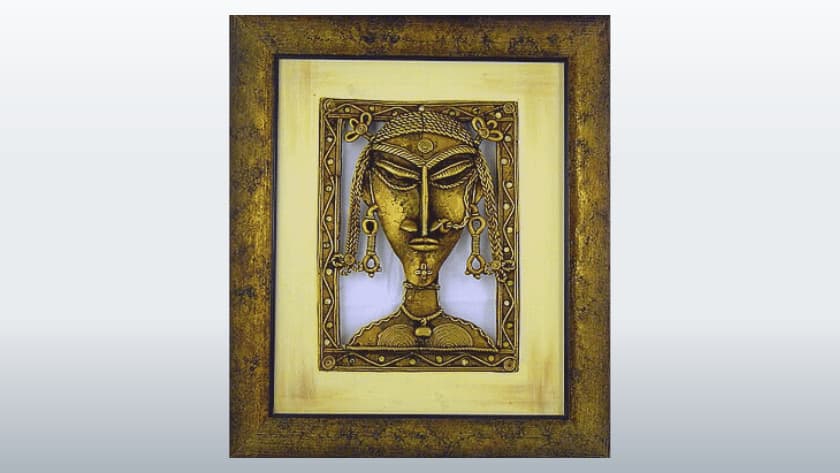
Today, Dhokra art thrives across India via diverse communities and regional practices. In West Bengal, Dhokra Damar artisans create narrative sculptures for ritual and decorative use. Odisha’s Ghadwa craftsmen emphasize mythological and forest-inspired imagery. The Gond and Baiga communities of Chhattisgarh often portray hunters, musicians, and ancestral spirits. Whereas, Jharkhand’s Malhar and Asur groups contribute forms tied to local cosmologies. Madhya Pradesh, Rajasthan, Telangana, and Andhra Pradesh continue to adapt the tradition to contemporary markets.
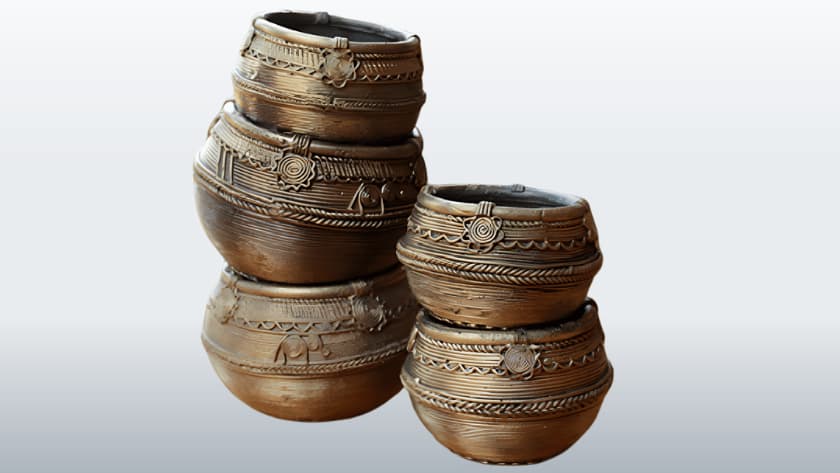
Present-day artisans reinterpret long-standing motifs while exploring new expressive directions. Jewelry, vessels, figurines, and small ornaments remain essential. At the same time, decorative sculptures such as peacocks, village scenes, and deities broaden the storytelling aspect of the craft. Textured surfaces, spiral lines, and geometric impressions distinguish the work’s visual identity.
Modern adaptations respond to evolving tastes. Urban décor items, abstract forms, keychains, and contemporary jewelry expand the craft’s audience while preserving its handcrafted foundation. Across regions, makers combine continuity with innovation, sustaining a living artistic language shaped by changing contexts.
Engaging Heritage: Ethics & Display
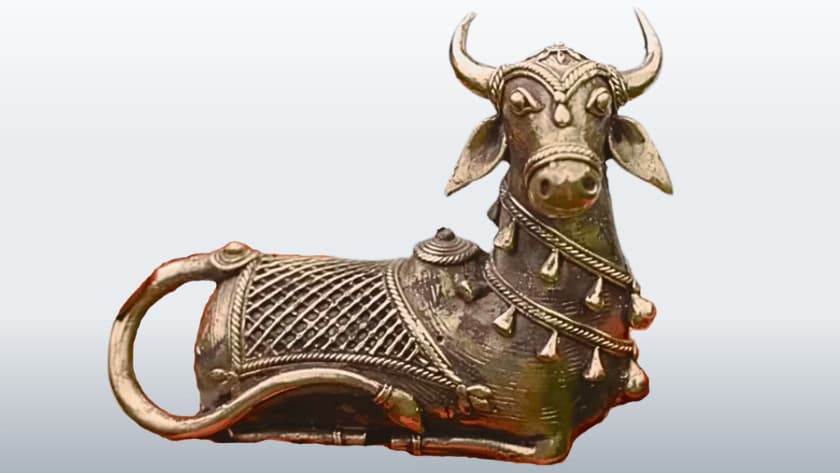
For collectors, engaging with Dhokra art involves recognizing the markers of authentic craftsmanship. Authentic pieces display slight irregularities, variations in texture, and evidence of hand modeling—qualities absent in mass-produced replicas. Observing these details helps distinguish individually cast objects from machine-made imitations.
Ethical purchasing supports the communities that maintain the craft. Buying from cooperatives, certified outlets, or verified artisan networks ensures fair compensation, transparency in sourcing, and reinvestment in local livelihoods. These decisions help preserve knowledge across generations.
Displaying Dhokra art thoughtfully honors its origins. Indirect lighting enhances the subtle patinas and textured surfaces, while grouping related forms can highlight narrative or thematic relationships. Protection from harsh sunlight and moisture helps preserve metal finishes. Respectful placement acknowledges the cultural journeys embedded in each piece.
Preserving Tradition: Challenges & Revivals
Dhokra artisans face pressures from rising brass and copper prices, reduced access to raw materials, and growing competition from mass-produced replicas. Economic instability discourages younger generations from pursuing the demanding craft, and limited market access often underrates the time-intensive nature of the work.
Collective responses are emerging across regions. Government programs, training by NGOs, online shopping sites, and cultural tourism activities increase opportunities and awareness. Community groups and cooperatives introduce new product lines—such as jewelry, décor pieces, and small collectibles—while preserving traditional methods. These efforts emphasize our shared responsibility to uphold a craft that is rooted in tradition while also being flexible to contemporary needs. Although widely practiced and culturally significant, Dhokra metal art has not yet been inscribed on UNESCO’s Intangible Cultural Heritage list, prompting ongoing efforts to advocate for its recognition.
Dhokra Art: Reflection & Future
Dhokra art represents a lineage shaped by elemental materials and sustained through generations of skilled hands. Each piece carries memory and resilience, linking today’s admirers with long arcs of Indian creativity. Its continued relevance rests on its ability to evolve while retaining the integrity of its process.
Choosing authentic, ethically sourced pieces allows individuals to participate in the craft’s continuity and support the communities that uphold it. To hold a Dhokra artifact is to witness earth transformed into form, and tradition expressed as living heritage.
Will we choose actions that keep this voice alive for future generations?